Youth Empowerment
EPIC is committed to empowering children and young people to have their views heard and considered, as we believe they have the power to influence change locally and nationally.
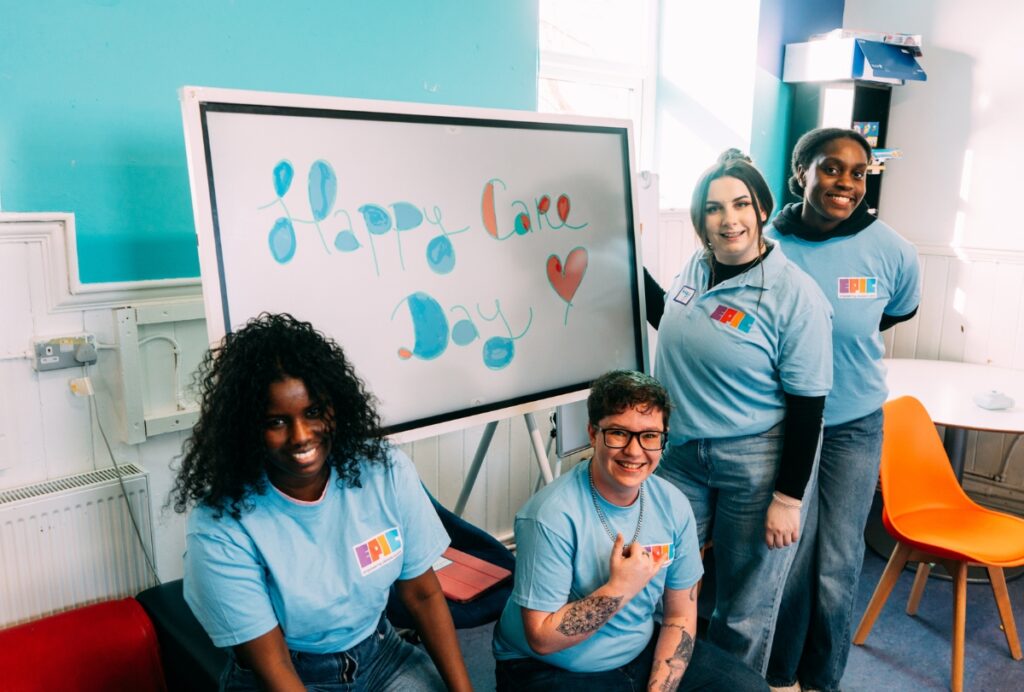
Through a programme of youth engagement and participation, EPIC creates safe, inclusive spaces for the active involvement of care-experienced children and young people.

EPIC Care Community
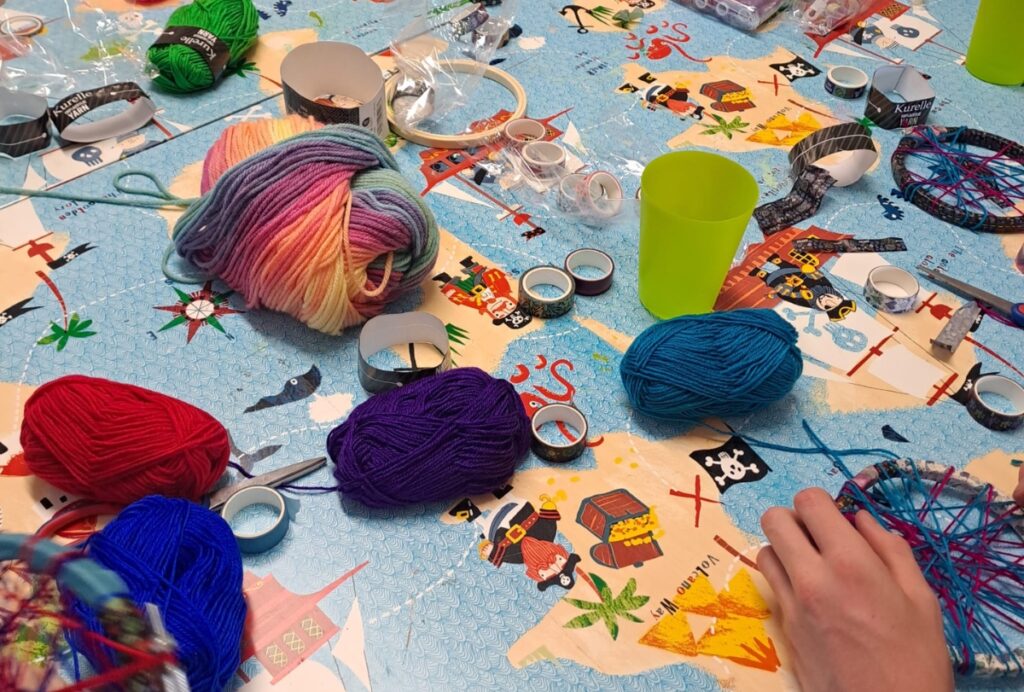
The EPIC Care Community is a welcoming space for children and young people in care, in aftercare or with care experience to connect, take part in activities and get involved in ways that feel right for them.
It offers opportunities to have fun, try new things, build skills and learn about rights, while meeting others with similar experiences. Participation is always a choice, and young people decide how and when they want to get involved.
EPIC Youth Council
The EPIC Youth Council is a national group of young people aged 18 to 26 with care experience who use their voices to influence change. Members share their lived experience to help shape policies, services and decisions that affect children and young people in care and aftercare.
Through advisory work, campaigns and engagement with national decision makers, the Youth Council ensures that care-experienced young people are heard, respected and meaningfully included in shaping change now and into the future.
What Guides EPIC’s Youth Engagement and Participation Work?
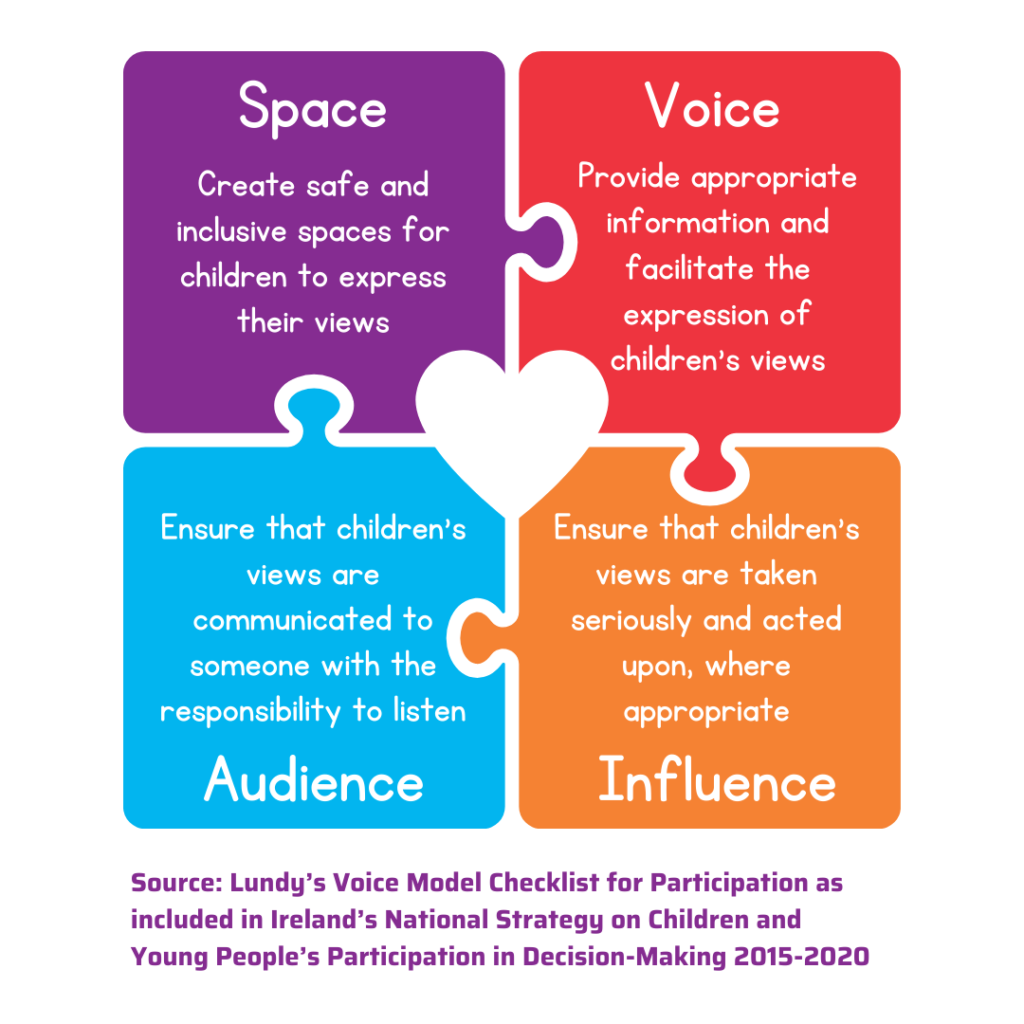
In EPIC, our work is guided by Professor Laura Lundy’s Model of Participation. The Lundy Model, as it is known, is a way for us to make sure that Article 12 of the United Nation’s Convention on the Rights of the Child (UNCRC) is upheld, promoted, and put into practice.
UNCRC is a very important international treaty that details the rights that every child and young person has. Article 12 states that children have the right to express their views freely in all matters affecting them, and for their views to be given consideration. Article 12 also states that a child should be heard in any legal and administrative proceeding that affects them.
In simple terms, children have the right to give their opinions freely on issues that affect them, and adults should listen and take children seriously!
The Lundy Model has four parts, and it is important to consider them collectively, as together they promote the active participation of children and young people.