Empowering Care-Experienced Students Through Their Education Conference

Reflections from EPIC’s 2025 Conference at TU Dublin
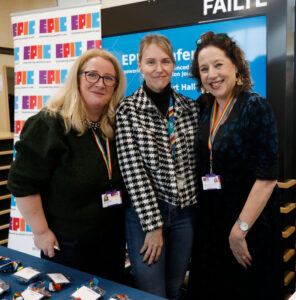
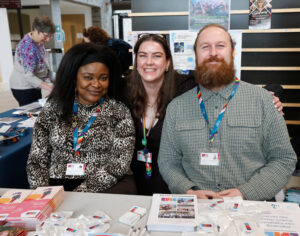
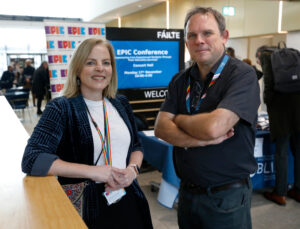
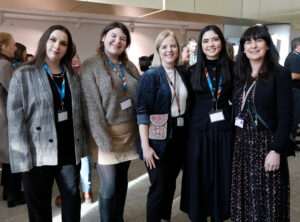
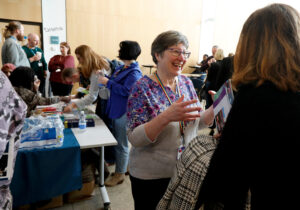
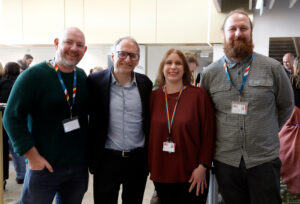
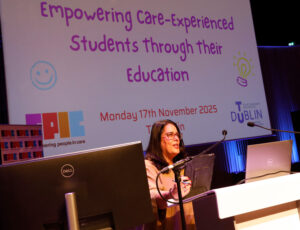
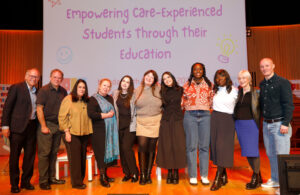
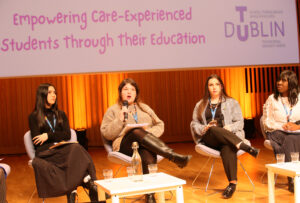
In mid-November, EPIC and TU Dublin welcomed care-experienced young people, educators, researchers and policymakers to our Empowering Care-Experienced Students Through Their Education conference. From the opening remarks to the final discussion, there was a sense of shared purpose in the room. Everyone came with the same intention: to make education work better for young people with care experience.
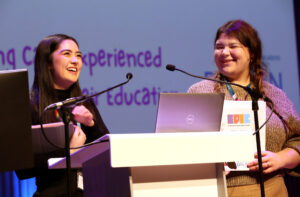
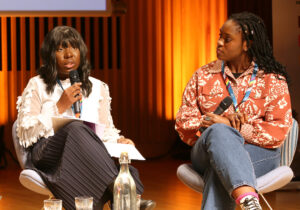
The conference was shaped by EPIC’s Youth Advisory Group (YAG), who helped design the day and guide the conversations. Their experiences and insights were central throughout, keeping us focused on what actually matters to young people, rather than what adults imagine might matter.
“See the person, not the label”
Young people from the YAG opened the first session by talking honestly about school and college life from a care-experienced perspective. They described the things many people never see: sudden moves, lost paperwork, constant changes, and how all of this can silently chip away at confidence, routine and educational progress.
They also spoke about what makes a difference. Support that’s flexible. Staff who understand the care system. Adults who meet them with empathy instead of assumptions. Stability during transitions. Someone to check in with. Their stories set the tone for the whole day and reminded everyone why this work matters.
Evidence to support action
The research inputs provided a strong evidence base for change.
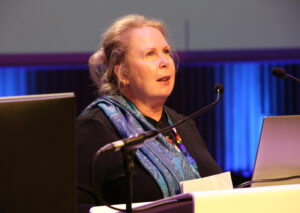
Dr Merike Darmody from the ESRI shared findings from Care to College, research commissioned by EPIC, which highlighted the individuality of care-experienced young people and their hopes for the future.
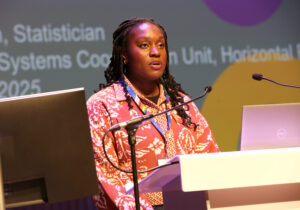
Martin Grehan from the CSO followed with new data on attendance and attainment for children in care. It showed, very clearly, why joined-up supports are needed rather than scattered initiatives.
Professor Neil Harrison from the University of Exeter rounded off the morning with insights from England on what actually works. He spoke about the value of having a single contact person in schools and the need for policy to keep pace with what the evidence already tells us.
What young people want to see change
Later in the morning, the YAG shared their priorities for improving the education system. They want teachers and guidance counsellors to have proper training on care awareness. They want schools to understand the language and realities of the care system. They want smoother, more supportive transitions into further and higher education.
They also highlighted barriers in accessing schemes like HEAR and DARE and were very clear that Ireland needs a dedicated education policy for children in care. As one young person put it, the research is there and the recommendations are there, so there’s no reason for policy to lag behind.
Policy, practice and the importance of collaboration
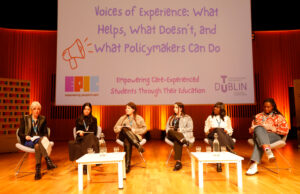
The afternoon began with a panel on visibility in national policy, chaired by Anne McCluskey. This discussion brought together contributors from the ESRI, the University of Exeter, the Department of Children, Equality, Disability and Youth, and the Department of Education. The conversation focused on data sharing, coordination and the need for a more joined-up national approach.
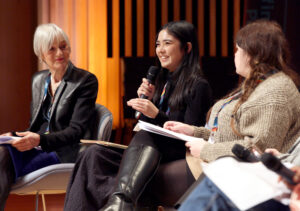
A second panel, chaired by Dr Eavan Brady, looked at practical support for care-experienced students at school, further education and higher education levels. This session included contributions from Áine O’Keefe, Director of Tulsa Education Support Service, whose perspective highlighted the importance of consistent, school-based support and the value of early intervention. The wider panel discussed collaboration across services, aftercare provision and the importance of pairing practical supports with emotional and social scaffolding. They also engaged directly with the suggestions raised earlier by the Youth Advisory Group, making for a lively and grounded discussion.
“If you can be sound, be sound.”
Róisín Webb and Anne O’Donnell closed the day by reminding us that hearing young people’s voices is only the first step. Their insights need to lead to real, meaningful action. One young person summed it up when they said, “If you can be sound, be sound.”
It was a simple message, but it captured the spirit of the day: understanding, fairness and respect should sit at the centre of every decision involving care-experienced students.
Thank you
A huge thank you to the Youth Advisory Group, who shaped this conference from the beginning and spoke with honesty and clarity throughout the day. Their contributions grounded the event. We are also very grateful to all the speakers and panellists who brought research, lived experience and practical insight to proceedings.
Our thanks to TU Dublin for hosting us and to Karen Carter and Sinéad Dunne for their support in the lead-up to the event and on the day itself.
A special thank you to the EPIC team whose work was central to making the conference run so smoothly.
And finally, thank you to everyone who came, listened, asked questions and shared ideas. The level of engagement leaves us with a renewed sense of what can be achieved. We look forward to continuing the work begun here and building on the strong direction set by the young people who led the way.