Timmy speaks at the launch of EPIC’s Pre-Budget Submission
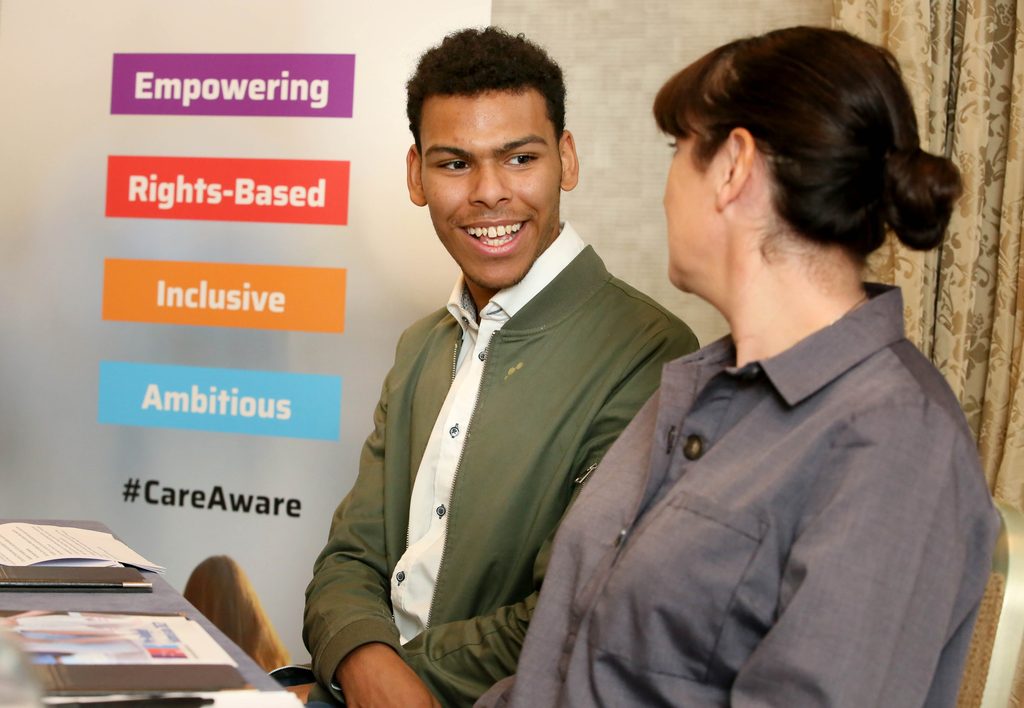
EPIC Youth Council member, Timmy, spoke at the launch of our Pre-Budget Submission. Here’s his speech…
“My name is Timmy, and I am a member of EPIC’s Youth Council. We are a group of care-experienced young people aged 18 to 26 and we work together to influence policy and improve services for children and young people in care.
Budget 2027 is an opportunity to make a real difference to children in care and young people leaving care. Today, I want to speak to you about some of the challenges I see among my peers, and some of the opportunities for change.
Aftercare
Leaving care is a big change, and care-leavers don’t always have the same safety net as other young people. Care-leavers are expected to become independent overnight. We might not have family who can help financially, give us somewhere to stay, or support us when things don’t come to plan.
The way the system works at the moment doesn’t always reflect the reality of young people’s lives.
One area that’s really important is the aftercare allowance. At the moment, there are rules around education and who qualifies for the allowance. For example, if you’re in part-time education, you can lose access to the aftercare allowance. And if you have to repeat a year, change your course or take a break from education, you can also find yourself losing that financial support at exactly the time when you need it most.
Young people don’t all follow the same path through education. You might need to study part-time, or repeat a year, change course or take a break. That shouldn’t mean losing the financial support you depend on.
In Budget 2027, we want the aftercare allowance to be more flexible, so that support is based on what a young person needs, instead of rigid rules around education.
We also need more aftercare workers. There aren’t enough of them, and many have very large caseloads. This means that many young people are waiting for support, when they are already trying to manage a lot of change in their lives.
More investment in aftercare workers would mean young people can actually get the support they’re entitled to, when they need it.
Aftercare shouldn’t just exist on paper. There needs to be enough people and resources behind it to make sure young people get the support they need.
Mental health and therapeutic support
Another area that’s important to me is mental health and therapeutic support.
Many young people with care experience have experienced trauma, but getting the right support can be difficult. Services can have long waiting lists, be time-limited, or become harder to access when you turn 18. Recovery from trauma doesn’t happen according to an age limit. That’s why EPIC is calling for HSE funding to ensure that care-experienced young people can access the support they need up until the age of 25.
I think that’s really important. Turning 18 shouldn’t automatically mean that you stop needing support.
Sometimes care-experienced young people are diagnosed later in life, and delays in getting an assessment can mean delays in getting the right support.
EPIC is calling for investment to make sure that children and young people with disabilities and additional needs get the right support when they need it.
Education
Education can be a really important for young people leaving care. It can open up opportunities, help you become independent and give you the chance to build the future you want. But for care-experienced young people, getting into further or higher education can come with challenges that other students may not have to think about.
You’re not just starting a new course or going to college. You may also be leaving care, finding somewhere to live, managing your finances and adjusting to a completely new environment – all at the same time.
I think we need to recognise that care-experienced students can need additional support to make education work. That support needs to include more than just financial assistance. It needs to include somewhere stable to live, mental health support, guidance and mentoring.
For some young people, finding accommodation during the academic year is already difficult. When college closes for the summer, they may have nowhere to go. And if you need to repeat exams or take some time out, often because of your mental health, you shouldn’t suddenly lose access to your accommodation.
We want to see increased investment in accommodation and wraparound supports for care-experienced students, including financial support, mental health support, guidance and mentoring.
If we want care-experienced young people to succeed in education, we need to make sure they have the stability and support to stay in education and succeed.
So, when we talk about Budget 2027, I think we need to ask a simple question:
Are we giving young people leaving care the same chance to succeed as everyone else?
If the State is our corporate parent, then it needs to act like one.
A good parent doesn’t say, “You’re 18 now, so you’re on your own.” They support you when things go wrong. They help you get back on your feet. And they understand that everyone takes a different path into adulthood.
That’s the kind of aftercare and support I want to see in Budget 2027.”