Research & Policy
At EPIC we believe in inclusive processes and working collaboratively
EPIC is committed to influencing change in policy, legislation, and practice to ensure better outcomes for children in care, young people in aftercare and those with care experience.
All of our research and policy work is grounded in the UN Convention of the Rights of the Child (UNCRC), particularly Article 12, which provides for the child’s right to be heard and to participate in decision-making in all matters relating to their care. This also means that EPIC works to ensure that children’s rights are upheld, strengthened, and realised within national policy at all levels.
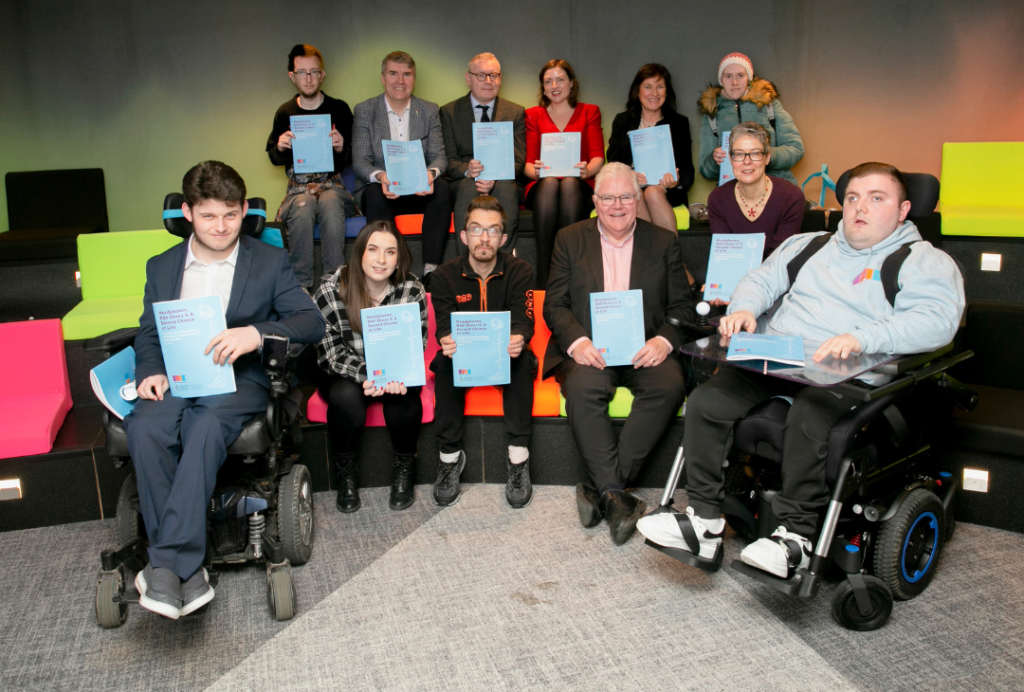
Research
EPIC’s policy proposals cannot be created without evidence to back them up. They are made by listening to children, young people, key professionals, and others about their experiences. EPIC strongly believe in voice-led participative research to inform wider society on key issues related to care experiences. Capturing this is a key part of EPIC’s research function.
It is very important that EPIC carries out its own research as well as keeping up to date with related research and best practice nationally and internationally. Information gathered through EPIC’s research informs EPIC’s policy work and our campaigns for change in current practice and government policies that affect children in care and young people with care-experience.


Policy
Policy is a plan or course of action intended to influence and determine decisions, actions, legislation, strategies, practice frameworks, and other matters – this could be in relation to the work of the Government or state bodies like Tusla.
Policy development at EPIC seeks to create positive change in the care system at a systemic level. It is informed using the evidence base from our National Advocacy Service and by the experiences of children and young people who engage with EPIC.
The EPIC Youth Council also work on campaigns and projects to influence policy and improve the outcomes for children in care and young people with care experience. Sometimes this is done in partnership with other organisations.
EPIC’s Research and Policy team work to:

Raise awareness of issues and concerns children and young people in care or with care experience face and help inform key decision makers in this area.
Use research findings and experiences shared by children in care, young people in aftercare and those with care experience. to speak credibly on their behalf for changes at a local, regional, and national level.
Work in partnership with other relevant agencies or organisations to influence change for children in care and young people with care experience.
Lobby for change and improvements in the provision and quality of care services at a local, regional, and national level in Ireland and where possibly internationally, whilst continuing to develop effective partnerships with Tusla and other agencies, departments, and organisations working in the best interests of children in care and young people with care experience.
Keep informed about developments related to children in the care system nationally and internationally.